




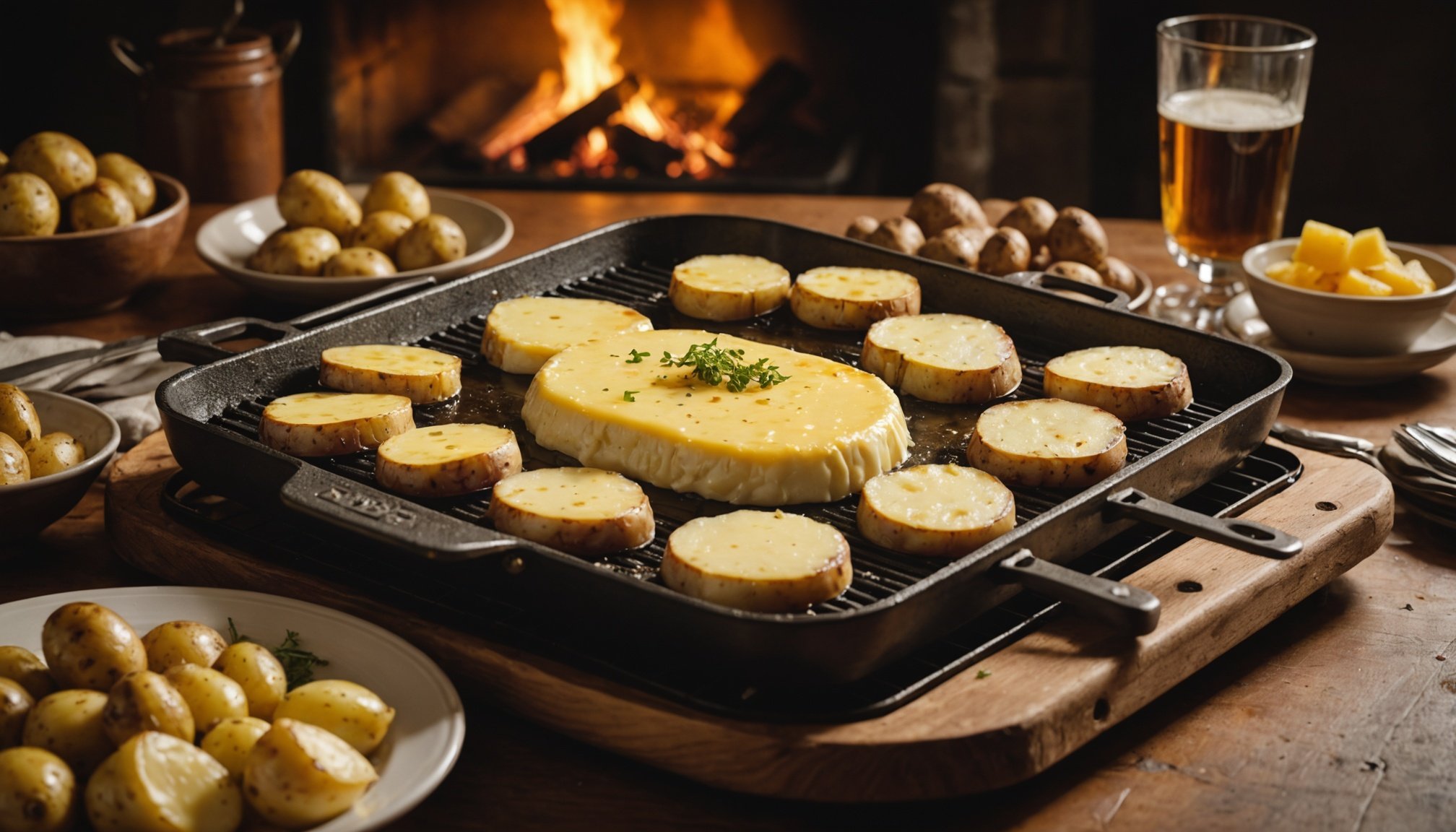
Savoring raclette means choosing cheeses that melt smoothly while delivering rich, nuanced flavors. Not all raclette cheeses perform equally—qualities like texture, meltability, and origin shape the experience. Understanding these key attributes helps you select cheeses that transform your raclette into a true culinary delight, whether you prefer classic Swiss varieties or innovative alternatives that elevate your table.
Essential qualities of premium raclette cheeses
Understanding what makes raclette cheese exceptional
Also to read : Mastering the Art of Seasoning Your New Cast Iron Griddle: A Step-by-Step Guide
The best raclette cheese is defined primarily by its meltability and distinctive flavor profiles. Meltability is essential because raclette cheese must soften evenly without becoming oily or separating. This texture allows it to form the luscious, creamy blankets of melted cheese that are the hallmark of authentic raclette dishes. The cheese’s composition, moisture content, and fat levels are carefully balanced to achieve this perfect melt.
Traditional raclette cheese is crafted using specific methods designed to optimize these qualities. Generally, it is made from cow’s milk that is naturally rich and suitably aged to develop the right balance of moisture and firmness. Handcrafted techniques such as gentle pressing and controlled aging ensure the rind forms correctly while the interior maintains its pliability. These steps impact not only meltability but also the texture and taste providing a smooth, velvety interior with a slightly nutty, buttery flavor that complements various accompaniments.
This might interest you : Mastering Homemade Pasta: Essential Tools and Techniques for Perfect Noodles Every Time
Another critical aspect of raclette cheese characteristics is the flavor complexity. Premium varieties exhibit subtle earthy notes alongside hints of fruit and herbs, which come from the alpine pastures where cows graze and the traditional aging cellar environments. The combination of meltability and nuanced flavor profiles is what makes these cheeses versatile and enviable both in culinary tradition and modern cooking.
Top traditional raclette cheeses for authentic melting
Delving into origins and varieties
Traditional raclette cheese is key to experiencing the authentic Swiss raclette or French raclette. The most celebrated traditional raclette cheese hails primarily from Swiss and French Alpine regions, each bringing unique characteristics rooted in terroir and production methods.
Swiss raclette cheese, typically from the Valais canton, is renowned for its smooth melting texture and rich, nutty flavor. This variety is often protected by appellation d’origine protégée (AOP) status, emphasizing its regional authenticity. The cheese is crafted from cow’s milk, traditionally washed and pressed, creating a semi-hard texture ideal for the iconic raclette melt.
On the French side, traditional raclette cheeses emerge mainly from the Savoie and Haute-Savoie regions, also holding AOP distinctions. French raclette cheese tends to have a slightly softer body and a more aromatic profile, influenced by local pastures and aging processes. Both Swiss and French producers have high standards for quality, often ensuring their cheeses are made using milk from specific breeds and adhering to traditional methods.
Notable producers of authentic raclette cheese emphasize local sourcing and time-honored cheesemaking techniques. For example, Swiss Valais raclette is sourced from dedicated dairies committed to maintaining heritage standards, while French raclette makers uphold centuries-old recipes and regional milk origins.
Selecting authentic raclette cheese isn’t just about flavor but also about supporting these regional practices preserving a centuries-old culinary tradition. For enthusiasts seeking a deeper understanding and taste, consulting dedicated resources on traditional raclette cheeses can help identify trusted sources and appreciate the nuances of these celebrated cheeses.
Standout alternative cheeses for raclette melting
When seeking alternative raclette cheese options, several non-traditional cheeses shine as excellent melting cheeses. These cheeses provide versatile choices for those exploring cheese substitutes for raclette beyond the classic Swiss varieties.
One popular category includes semi-soft cheeses with good meltability, such as fontina and gouda. Fontina offers a smooth, creamy melt with a mild nutty flavor, closely mimicking traditional raclette’s texture but delivering a slightly different taste experience. Gouda, especially young or smoked versions, provides rich, buttery notes that beautifully complement the melted texture, making it a standout alternative raclette cheese.
Experimental blends also deserve attention, where combining soft, high-fat cheeses with sharper counterparts yields unique flavor profiles. For example, blending creamy brie with aged cheddar can produce a luscious melt with a robust taste, suitable for those wanting to experiment with raclette’s classic richness.
When comparing these melting cheeses to traditional raclette cheese, it’s important to note their melting point and flavor intensity. While true raclette cheese melts evenly and offers a buttery, slightly tangy taste, some substitutes may melt quicker or maintain firmer edges, lending a texture variation to the dish. Flavor-wise, alternatives range from mild to bold, allowing for exploration depending on personal preference while maintaining the essential gooey melt that raclette embodies.
For those interested in exploring authentic textures and flavors of raclette cheese alternatives in detail, resources like this guide on traditional raclette cheeses provide comprehensive insights to help choose the ideal melting cheeses or cheese substitutes for raclette.
Expert tips for choosing and serving raclette cheese
When selecting raclette cheese, prioritize varieties known for their superior melting quality and rich flavor profile. A good raclette cheese selection will melt smoothly without separating or becoming greasy. Look for cheeses that balance creaminess and a slightly nutty taste, which enhances the overall experience.
To evaluate cheese for optimal melt and taste, consider its fat content and moisture level. Cheeses with higher fat percentages tend to melt more consistently, providing that coveted gooey texture. Additionally, traditional raclette cheeses aged moderately offer a perfect combination of robust flavor and melting capability, making your raclette experience authentic and delicious.
Serving raclette cheese requires thoughtful accompaniments. Pair it with small boiled potatoes, pickles, and cured meats to create a harmonious balance of textures and flavors. Fresh vegetables like pearl onions and cornichons bring brightness that complements the cheese’s richness. For an added touch, try including a crusty baguette or lightly toasted bread in your raclette cheese serving to soak up the luscious melted cheese.
Storage and preparation are equally important to preserve quality. Keep raclette cheese refrigerated in its original packaging or wrapped in wax paper to maintain moisture. Before serving, allow the cheese to reach room temperature; this step ensures it melts evenly and reveals its full taste potential. Preparing your raclette setup by heating the grill or melting trays in advance prevents delays and helps maintain the perfect melt throughout your gathering.
For a comprehensive selection of authentic traditional raclette cheeses, visit our detailed guide, which offers options curated for optimum meltability and genuine flavor profiles : https://epiceriecorner.co.uk/collections/raclette-cheese.
Where to buy the best raclette cheese varieties
Finding where to buy raclette cheese can be a gratifying quest, especially for those seeking authentic flavors. The best raclette cheese varieties are often available through trusted online retailers and gourmet cheese shops, which specialize in sourcing traditional and premium options. These sellers typically offer cheeses from renowned regions such as Switzerland and France, ensuring you get genuine, high-quality raclette.
When shopping for online raclette cheese, consider factors like the seller’s reputation, delivery conditions, and packaging assurance to maintain freshness. Quality cheese shops often provide detailed descriptions, including milk type, aging period, and flavor profiles, helping you make an informed choice without tasting on-site.
Seasonal availability plays a crucial role; raclette cheese is best sourced fresh during specific times of the year when milk supply is optimal for production. Whether purchasing for home use or restaurant purposes, finding suppliers who align with these cycles guarantees you a rich and creamy texture that melts perfectly.